By Joe Quinn, Executive Director of the Center for Strategic Industrial Materials, SAFE
Conflict in Iran is disrupting both oil and aluminum supply chains—with lessons and parallels for how import dependence and global chokepoints imperil our national security.
When geopolitical crises erupt in the Middle East, Americans instinctively worry about oil. For decades, instability in the region has sent energy prices climbing and reminded policymakers that a supply disruption anywhere impacts prices everywhere. But the current conflict with Iran is also exposing our import dependence on military-grade aluminum. The UAE and Bahrain are among the largest global producers, and the blockade in Hormuz has caused the Aluminum Bahrain smelter to curtail 19% of its 1.6 million ton per year production.
Like oil, aluminum is a foundational industrial commodity that underpins the modern economy and national defense. The similarities between the two markets are becoming increasingly clear and increasingly alarming. Other similarities between the two commodities are worth noting and carry important lessons for policymakers.
First, both commodities are translating geopolitical instability directly into rising prices for American consumers. Oil shocks translate quickly into higher gasoline and transportation costs. Aluminum shocks ripple through the economy more quietly but just as broadly, raising prices for cars, airplanes, packaging, construction materials, and countless manufactured goods.
Second, both markets are experiencing tightening supply at precisely the wrong time. Global oil demand continues to rise as developing economies expand, and energy consumption grows. Aluminum demand is climbing even faster, driven by advanced manufacturing, defense industrial demand, and power grid and energy transmission needs.
Yet supply growth in both markets is constrained. In the oil market, geopolitical tensions threaten shipping routes and discourage investment in unstable regions. In aluminum, the problem is even more structural: over the past two decades, the United States has lost more than 75% of its primary aluminum smelting capacity.
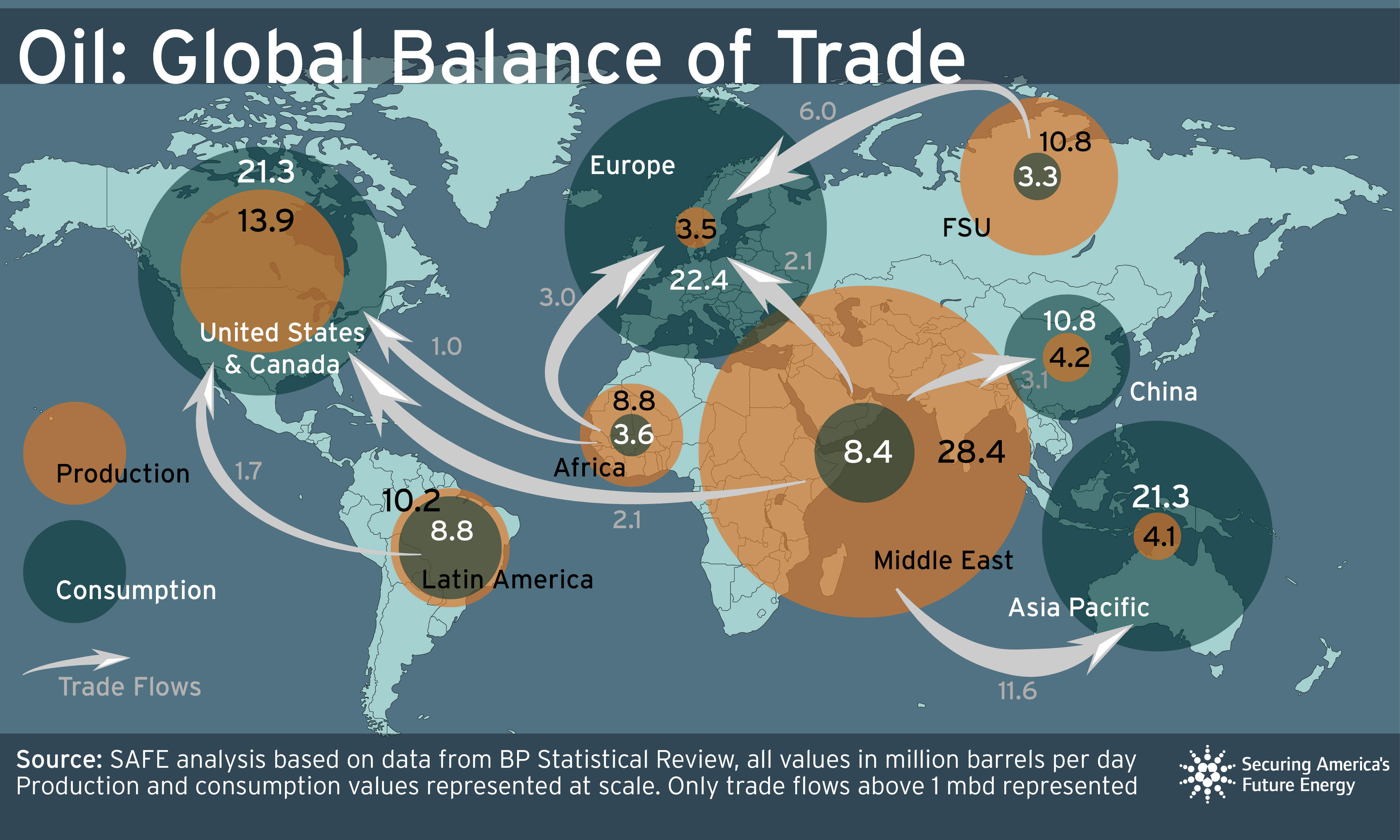
A third and particularly dangerous similarity is the context of the Strait of Hormuz and geographic concentration. Just as oil exports depend heavily on the stability of the Persian Gulf, a significant portion of the world’s aluminum supply, specifically the high-purity aluminum used in defense production, comes from the region.
The United States imports nearly all its high-purity aluminum from the Middle East. This specialized metal, essential for aerospace, missile systems, and other defense applications, is primarily produced in countries such as Qatar and Bahrain. These facilities depend on stable shipping routes through the Persian Gulf and the Strait of Hormuz, precisely the waterways now threatened by escalating conflict involving Iran.
If those supply lines are disrupted, American manufacturers may face delays or shortages in the very materials required for defense production.
The strategic risk does not end there. If supplies from trusted partners are interrupted, the market will look elsewhere to fill the gap. The most likely replacements are not U.S. allies but geopolitical competitors, namely Russia and China, both of which are major aluminum producers and both of which have demonstrated a willingness to use industrial supply chains as tools of economic leverage.
This dynamic mirrors the global oil market, where supply disruptions often strengthen the influence of rival producers. In aluminum, however, the United States has far fewer domestic alternatives available.
Another parallel between oil and aluminum is the role of energy itself. Aluminum smelting is one of the most energy-intensive industrial processes in the world. Electricity costs largely determine where smelters operate and whether they remain competitive. In the United States, high power prices and outdated infrastructure have forced many smelters to shut down over the past two decades, leaving the country increasingly dependent on foreign supply.
The current crisis should serve as a wake-up call.
The United States cannot control geopolitical tensions in the Middle East. But it can reduce its vulnerability to them. That means strengthening domestic aluminum production through targeted infrastructure investments and a durable power solution that allows smelters to operate competitively over the long term.
It also means accelerating the construction of new primary aluminum smelters. The announced EGA/Century smelter in Oklahoma is very promising but requires an energy deal from the state to become a reality. Expanding domestic secondary aluminum supply is also required. Advanced sorting technology can dramatically increase the volume and quality of recycled aluminum, creating a more resilient domestic supply.
For years, policymakers have treated aluminum as just another industrial input. The unfolding crisis should make clear that it is much more: aluminum is a strategic material whose supply chain carries national security implications every bit as serious as oil.
The lesson from the current conflict is straightforward. When global tensions rise, the United States must not find itself dependent on unstable regions or hostile powers for the materials that power its economy and defend its nation.



 Twitter