Featured Story
The Senate Permitting Bill: Don’t Fall Into the EPRA Trap
Now is not the time to hit the brakes—or worse, fall into the trap of expecting a better deal to be negotiated by the incoming congress.
READ MORE
Now is not the time to hit the brakes—or worse, fall into the trap of expecting a better deal to be negotiated by the incoming congress.
READ MORE
While U.S. shale has recovered from a brutal 2020, it remains to be seen how long it will stick to its "capital discipline" mantra.
This week EU unveiled arguably the most ambitious suite of climate policies globally. But several questions must be answered before these proposals can become law.
Meeting the decarbonization demands presented by the climate crisis will require a more advanced grid, greater diversity in power and fuel sources, and a rethinking of personal mobility.
Natural gas consumption is expected to bounce back after a tough 2020 – at a time when governments are looking to reduce their reliance on fossil fuels.
The turmoil at the OPEC+ meeting injects uncertainty into the market—and may presage the challenges ahead.
The Canadian government announced a landmark new regulation that would ban gasoline and diesel vehicle sales by 2035, adding its name to the list of governments phasing out the internal combustion engine.

The heatwave in the Pacific Northwest stretched power grids, squeezed energy supplies, melted infrastructure—and illustrated how far behind the U.S. is in preparing for the effects of the climate crisis.
Clean energy spending must rise from $150 billion in 2020 to $1 trillion annually by 2030 for emerging economies to reach net-zero emissions by mid-century.
Rich countries are using public financing to expand the construction of natural gas infrastructure in poorer countries around the world.
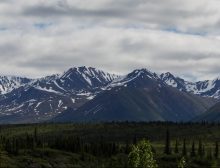
ANWR leases have been suspended by the Biden administration, but new production will move forward in the NPR-A.
Subscribe