
Search Results
for supply chains

Stockpiling for uncertainty: Flexible response mechanisms for addressing today’s and tomorrow’s supply risks
Stockpiles and strategic reserves are related but not interchangeable tools. Policymakers should match the tool to the objective by first identifying the problem they want to solve, then selecting the appropriate value-chain target, mineral scope, sourcing and storage model, governance structure, and level of allied coordination

Geopolitical Supply Shocks Reshaping Global Aluminum Availability
Last week’s attacks on two of the world’s largest aluminum smelters have increased fears that aluminum prices could persist. Combined with recent Iranian attacks on critical energy infrastructure throughout the Middle East, primary producers are in a precarious position—facing increased energy costs and damaged facilities. The aluminum market, which was already undergoing a structural realignment before the current conflict, is now teetering on a crisis.

Disruption in the Strait of Hormuz is Cutting Off Military-Grade Aluminum
When geopolitical crises erupt in the Middle East, Americans instinctively worry about oil. But the conflict in Iran is also disrupting military-grade aluminum supply chains dependent on Middle Eastern nations and the Strait of Hormuz.
Introducing FORGE: The Trump Administration’s Evolving Approach to U.S. International Critical Minerals Partnerships
The Trump Administration’s evolving approach to international collaboration provides additional space for U.S. leadership in shaping the global critical minerals agenda. New initiatives, such as FORGE and Pax Silica, alongside bilateral agreements and engagement through established platforms like the G7 and G7+, provide Washington with multiple entry points to advance strategic priorities and influence policy.

Not Your Typical Section 232 Tariffs Actions: Next Steps for Critical Minerals
Unlike aluminum and steel, the Trump administration is taking a different tack with critical minerals. President Trump is signaling concern for preserving access to processed minerals and derivatives as U.S. demand surges, processing capacity has been hollowed out, and new projects will not come online fast enough.

The Department of War’s $150 Million Alumina Investment: What it Means for the U.S. Defense Industrial Base
The U.S. aluminum industry is facing a critical juncture, balancing rising demand with dwindling supply. The U.S. Department of War $150 million investment into Atlantic Alumina to produce more than 1 million metric tons of alumina and up to 50 metric tons of gallium per year is a vital step towards achieving the Trump administration’s goals of a manufacturing resurgence, establishing supply chain security, and fortifying the defense industrial base.
I Read the U.S. Geological Survey’s Critical Minerals Methodology So You Don’t Have To
The U.S. Geological Survey (USGS) and the U.S. Department of the Interior (DOI) unveiled the highly anticipated 2025 List of Critical Minerals, an expanded catalog now covering 60 minerals deemed essential to U.S. economic and national security. The updated list and methodology offers a window into the key considerations shaping how policymakers assess risk and determine which supply chains warrant the most attention. We read the list and methodology, and break it down for you in our latest Fuse post, so you don't have to.

What’s New in the New U.S.-Australia Critical Minerals Agreement?
The new United States-Australia Minerals Framework marks the next phase of a partnership that has been steadily deepening for years, and builds on sustained cooperation that was initiated by the first Trump administration. The Framework calls for increased collaboration, potential strategic stockpiles and reserves, and price floors, but many of these policy tools are still in early stages, and key decisions lie ahead.
The National Security Case for America’s Only Alumina Refinery
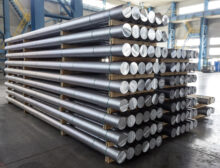
Primary aluminum is indispensable to U.S. national defense, critical for fighter jets, Navy vessels, missile systems, and other technologies. With only one domestic alumina refinery operating, the Atalco facility in Louisiana, America faces a single-point-of-failure risk in its defense supply chain.

Copper Tariffs: Upsides, Unknowns, National Security Considerations, and the Potential for a New Smelter?
Expected copper shortfalls in the coming decade create both an opportunity and a warning: rising demand could incentivize new supply, but failure to meet it will deepen future constraints. The Section 232 investigation puts actions on the table to remedy the situation, but China’s strategic smelting overcapacity will remain a barrier. However, whether the tariff regime will ultimately create a signal to invest in copper refining remains to be seen.



Subscribe